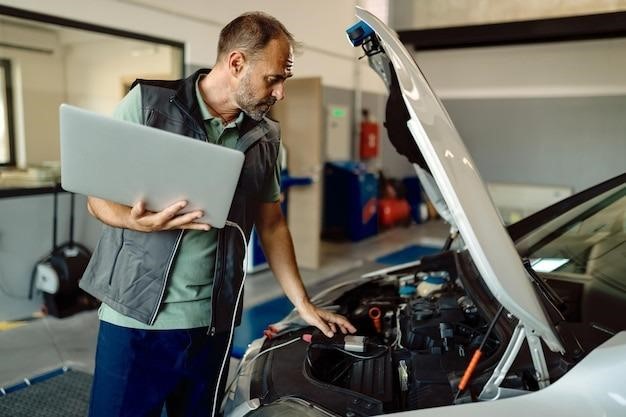
What Does a Comprehensive Virtual Car Inspection Include?
Keeping a vehicle in good condition requires regular inspections, but visiting a workshop is not always convenient. Your Virtual Mechanic offers a practical solution by helping vehicle owners assess their cars remotely through a Virtual Car Inspection. Instead of immediately scheduling an in-person appointment, drivers can connect with experienced mechanics online, share photos or videos, and receive professional guidance about their vehicle’s condition.
A Virtual Car Inspection can help identify visible issues, provide maintenance recommendations, and determine whether a problem requires immediate attention. While it does not replace every physical vehicle inspection, it offers an efficient first step for diagnosing many common concerns.
Understanding a Virtual Car Inspection
Your Virtual Mechanic provides remote inspection services that allow drivers to connect with qualified professionals without leaving their homes. By using video calls, photographs, and detailed descriptions, mechanics can evaluate many visible vehicle components and recommend the next course of action.
This approach is becoming increasingly useful for busy vehicle owners, people purchasing used cars, and drivers who notice unusual vehicle behavior but are unsure whether immediate repairs are necessary.
A Virtual Car Inspection focuses on evaluating components that can be visually assessed or demonstrated during a live consultation. It provides professional advice while saving time and helping owners make informed maintenance decisions.
How Does a Virtual Car Inspection Work?
The inspection process is typically simple and straightforward.
- Book an online inspection appointment.
- Connect with a qualified mechanic using a smartphone or computer.
- Share clear photos or videos of the vehicle.
- Demonstrate specific concerns during a live video session.
- Answer questions about recent vehicle performance.
- Receive an assessment and maintenance recommendations.
- Determine whether an in-person repair is required.
This process helps mechanics gather enough information to evaluate many common vehicle concerns remotely.
What Does a Comprehensive Virtual Car Inspection Include?
A comprehensive Virtual Car Inspection covers several important areas of the vehicle. While some internal mechanical problems require hands-on testing, many visible components can be assessed effectively through an online consultation.
Exterior Condition Inspection
The first step usually involves examining the vehicle’s exterior.
Mechanics assess the overall body condition to identify signs of damage, corrosion, or poor repairs. This includes checking body panels, paint condition, doors, mirrors, windows, and bumpers.
The inspection may include:
- Body scratches
- Paint damage
- Rust spots
- Dents
- Cracked windshields
- Broken mirrors
- Exterior trim damage
These visible issues often indicate whether further repairs or inspections may be necessary.
Tire Inspection
Tires are one of the most important safety components of any vehicle.
During the car inspection, mechanics evaluate tire condition using close-up photographs or live video. They look for uneven wear patterns, damaged sidewalls, tread depth, and signs of ageing.
The tire inspection may include:
- Tread wear
- Tire pressure recommendations
- Sidewall cracks
- Uneven tire wear
- Wheel damage
- Visible punctures
Identifying tire problems early helps improve handling, braking performance, and fuel efficiency.
Brake System Visual Assessment
Although a complete brake test requires physical inspection, many visible brake components can still be evaluated remotely.
Mechanics may inspect:
- Brake disc condition
- Brake pad thickness where visible
- Brake fluid level
- Warning lights
- Visible leaks
If the inspection suggests excessive wear or safety concerns, an in-person vehicle inspection will be recommended.
Engine Bay Inspection
The engine compartment often reveals valuable information about the overall health of a vehicle.
During an online car inspection, mechanics may ask owners to open the bonnet and provide detailed images or live video.
They inspect visible areas such as:
- Engine oil level
- Coolant reservoir
- Brake fluid
- Battery condition
- Belts
- Hoses
- Fluid leaks
- Loose connections
Visible leaks or worn components may indicate developing mechanical issues.
Battery Inspection
Battery problems are among the most common causes of vehicle breakdowns.
A remote inspection can identify several warning signs.
Mechanics look for:
- Corrosion around terminals
- Loose battery connections
- Battery casing damage
- Manufacturing date
- Visible leakage
Although battery voltage cannot always be accurately measured remotely, these visual checks provide useful maintenance guidance.
Fluid Level Assessment
Vehicle fluids play an essential role in keeping systems operating correctly.
During the inspection, mechanics may guide owners through checking:
- Engine oil
- Coolant
- Brake fluid
- Power steering fluid
- Windshield washer fluid
Low or contaminated fluids often indicate maintenance needs or potential mechanical problems.
Suspension Components
Visible suspension parts can often reveal early signs of wear.
Mechanics may inspect:
- Shock absorbers
- Springs
- Bushings
- Control arms
- Visible suspension leaks
Although road testing is not possible during a Virtual Car Inspection, visual observations can identify obvious concerns.
Steering System Review
The steering system affects both vehicle safety and driving comfort.
The remote inspection may include checking:
- Steering wheel movement
- Power steering fluid
- Visible steering components
- Warning lights
Drivers may also describe unusual steering symptoms such as vibrations, stiffness, or pulling while driving.
Lights and Electrical Components
Lighting systems are easily assessed during an online consultation.
Mechanics may ask owners to demonstrate:
- Headlights
- Brake lights
- Indicators
- Reverse lights
- Hazard lights
- Fog lights
- Interior lighting
Electrical concerns can often be identified during this process.
Dashboard Warning Lights
Dashboard warning lights provide valuable diagnostic information.
During the inspection, mechanics review:
- Engine warning light
- ABS warning
- Airbag warning
- Battery warning
- Oil pressure warning
- Temperature warning
These indicators help determine whether further diagnostic testing is necessary.
Underbody Visual Inspection
If it is safe to do so, vehicle owners may provide photographs of accessible underbody areas.
Mechanics look for:
- Fluid leaks
- Rust
- Damaged exhaust components
- Loose shields
- Suspension damage
This assessment provides additional insight into the overall condition of the vehicle.
What Cannot Be Included in a Virtual Car Inspection?
While a Virtual Car Inspection is highly useful, certain inspections still require physical access to the vehicle.
These include:
- Engine compression testing
- Computer diagnostics
- Wheel alignment measurements
- Brake performance testing
- Exhaust emissions testing
- Transmission internal inspection
- Suspension load testing
When these services are necessary, mechanics recommend booking a physical vehicle inspection.
Benefits of a Virtual Car Inspection
Remote inspections provide several practical advantages for vehicle owners.
Some of the key benefits include:
- Helps you evaluate a used car truck before you purchase it.
- Saves travel time
- Convenient scheduling
- Professional guidance from qualified mechanics
- Early identification of visible issues
- Helps prioritize repairs
- Useful before purchasing a used vehicle
- Reduces unnecessary workshop visits
- Supports regular maintenance planning
Many vehicle owners use an online car inspection as an initial assessment before arranging more extensive repairs.
When Should You Schedule a Virtual Car Inspection?
There are many situations where a remote inspection can be particularly helpful.
You should consider scheduling one if:
- You are buying a used car or truck
- A warning light appears
- You notice unusual noises
- Fluid leaks become visible
- You plan a long road trip
- Your vehicle has been parked for an extended period
- You want a second opinion before repairs
- You need maintenance advice
Early assessment often helps prevent small issues from becoming larger repair problems.
Tips for Preparing for an Online Car Inspection
Preparing properly helps mechanics provide a more accurate assessment.
Before your appointment:
- Wash the vehicle if possible.
- Park in a well-lit area.
- Charge your mobile device.
- Ensure a stable internet connection.
- Prepare your vehicle registration details.
- List any unusual symptoms.
- Take clear photographs of damaged areas.
- Have someone assist with recording video if needed.
Better visibility allows mechanics to evaluate the vehicle more effectively.
Why Regular Vehicle Inspections Matter
Routine vehicle inspection services play an important role in vehicle ownership.
Regular inspections help detect wear before major failures occur. They also contribute to improved safety, better fuel efficiency, longer component life, and reduced maintenance costs.
Although remote inspections cannot replace every workshop service, they provide valuable guidance that supports preventative maintenance and informed decision-making.
Conclusion
A comprehensive Virtual Car Inspection provides a practical way to assess many visible aspects of a vehicle without visiting a repair facility. From tyres and brakes to fluid levels, lighting, and dashboard warnings, experienced mechanics can identify many common concerns through a structured online assessment.
For drivers seeking professional guidance, Your Virtual Mechanic offers an accessible way to better understand vehicle condition and determine whether further repairs or an in-person car inspection are required. When combined with routine maintenance and periodic physical vehicle inspection services, a Virtual Car Inspection helps support safer and more informed vehicle ownership.
Frequently Asked Questions