KBB vs. CARFAX vs. Bumper: How to Determine a Used Car’s True Value
Buying a used car involves more than comparing asking prices. Buyers need to understand whether a vehicle is worth the amount a seller is requesting, whether its history is reliable, and whether it has mechanical problems that could lead to expensive repairs. Several online platforms, including Kelley Blue Book (KBB), CARFAX, and Bumper, help consumers research these details before making a purchase.
Your Virtual Mechanic helps used-car and truck buyers take this research further through professional virtual automotive inspections & evaluations. While pricing tools and vehicle history reports provide useful information, connecting with an experienced automotive professional can help buyers understand a vehicle’s actual condition before committing to a purchase.
Understanding how these platforms work, what information they provide, and where their limitations lie can help you make a more informed buying decision.
What Is KBB and How Does Kelley Blue Book Pricing Work?
Kelley Blue Book, commonly known as KBB or the KBB Blue Book, is a widely recognized resource for researching vehicle prices in the United States. It helps buyers and sellers estimate what a car may be worth based on several vehicle-specific and market-related factors.
Kelley Blue Book pricing is useful when comparing a seller’s asking price with estimated market values. Buyers can enter information about a vehicle to explore different price estimates and understand whether a listing appears reasonably priced.
Factors That Influence KBB Car Values
Kelley Blue Book considers several factors when estimating a vehicle’s value.
- Make and model: Different manufacturers and models have different resale values based on demand, reliability perceptions, and market preferences.
- Model year: Newer vehicles generally have higher market values than older vehicles, although depreciation varies by model.
- Mileage: Vehicles with lower mileage may command higher prices, depending on their age and maintenance history.
- Vehicle condition: Interior condition, exterior damage, mechanical performance, and overall wear can affect the estimated value.
- Location: Regional demand and local market conditions influence vehicle pricing.
- Features and equipment: Optional packages, technology, safety features, and trim levels can affect the vehicle’s estimated value.
KBB provides different value categories, including trade-in value, private-party value, and dealer-oriented pricing estimates. These figures serve different purposes, so buyers should select the appropriate value type when researching a vehicle.
How to Check the Kelly Blue Book Value of a Car
If you want to determine the estimated market value of a used vehicle, follow these steps:
- Visit the Kelley Blue Book website.
- Enter the vehicle’s year, make, model, and mileage.
- Select the correct body style and trim.
- Include available optional equipment and features.
- Enter the ZIP code to account for regional market conditions.
- Select the appropriate value category, such as private-party or trade-in.
- Review the estimated price range and compare it with similar listings.
The Kelly Blue Book value of a car can provide a useful starting point during negotiations. However, it should not be treated as a guaranteed selling price or proof that a vehicle is mechanically sound.
What Is CARFAX Value and Why Does It Matter?
CARFAX provides vehicle history reports and a History-Based Value tool that helps consumers understand how a vehicle’s recorded history may affect its estimated price.
Unlike a general market estimate, CARFAX Value considers vehicle-specific history information. This can include reported accidents, title brands, service records, and ownership information.
For example, two vehicles with the same year, make, model, and mileage may have different estimated values if one has a reported accident history or a branded title.
What Information Does CARFAX Consider?
CARFAX uses available vehicle history information to generate its estimates.
Important information may include:
- Accident and damage records.
- Previous ownership information.
- Title history and title brands.
- Reported maintenance and service records.
- Mileage information.
- Other available vehicle history details.
This information can help buyers identify potential concerns before purchasing a used car.
However, CARFAX reports depend on information supplied by reporting sources. An absence of reported accidents does not guarantee that a vehicle has never been damaged. Similarly, missing service records do not automatically mean that the previous owner neglected maintenance.
How Is CARFAX Value Different From KBB?
KBB and CARFAX provide different types of information, even though both can help buyers understand vehicle pricing.
KBB primarily provides market-based vehicle valuations using information such as mileage, condition, equipment, and regional market activity. CARFAX History-Based Value incorporates available vehicle history information to provide a vehicle-specific estimate.
For a more complete understanding, buyers can compare both estimates instead of relying on a single platform.
Bumper.com vs. CARFAX: Which Vehicle History Tool Should You Use?
When researching a used vehicle, buyers often compare Bumper.com vs. CARFAX to understand which platform provides the most useful information.
Both services offer vehicle history information, but their reporting features, data sources, presentation, and pricing models differ.
Understanding Bumper Vehicle History Reports
Bumper provides vehicle history information through searches using a vehicle identification number (VIN), license plate, or other available vehicle details.
Depending on the available records and selected search, its reports can provide information about:
- Accident and damage records.
- Title and salvage history.
- Ownership information.
- Mileage records.
- Vehicle specifications.
- Open and historical recalls.
- Market value estimates.
- Available sales listings.
Bumper also provides market value information, including trade-in estimates, making it useful for consumers who want to research both vehicle history and pricing.
Understanding CARFAX Vehicle History Reports
CARFAX is another established platform for checking used vehicle histories. Its reports can include accident information, ownership records, title information, mileage history, and service records submitted by participating service facilities.
One of its notable features is its service network, which can provide buyers with additional insight into reported maintenance and repair activity.
However, not every repair facility submits records to CARFAX. Therefore, buyers should not assume that a vehicle with limited service information has never received maintenance.
Bumper vs. CARFAX: Key Differences
| Comparison Factor | Bumper | CARFAX |
| Vehicle history | Provides available vehicle history information | Provides available vehicle history information |
| Accident records | Available where reported data exists | Available where reported data exists |
| Title information | Includes available title and salvage records | Includes available title and brand information |
| Service history | Provides available maintenance-related information | Has a network of participating service facilities |
| Market value | Provides market value estimates | Offers History-Based Value |
| Vehicle searches | Supports VIN and license plate searches, among other options | Offers VIN-based vehicle history reports |
| Pricing structure | Offers subscription and other search options | Offers individual reports and report packages |
Bumper vs. CARFAX: Which Is Better?
The answer depends on what you want to learn about a vehicle.
Bumper may be useful for buyers who want to research multiple vehicles and compare available market value and history information. CARFAX may be particularly useful for buyers interested in reported service records from its participating service network and its established vehicle history reporting system.
Neither platform should be considered a complete record of everything that has happened to a vehicle. Information availability depends on reporting sources, and unreported accidents, repairs, or other problems may not appear in either report.
Rather than choosing one platform and assuming it provides every answer, buyers should consider their research requirements and verify important details through additional checks.
KBB vs. CARFAX vs. Bumper: Which Provides the Most Useful Car Value Information?
Each platform serves a different purpose in the used-car buying process.
| Platform | Primary Purpose | Best Used For |
| Kelley Blue Book (KBB) | Market-based vehicle valuation | Understanding estimated market and trade-in prices |
| CARFAX | Vehicle history and history-based valuation | Reviewing reported accidents, ownership, titles, and service records |
| Bumper | Vehicle history and market information | Comparing vehicle records, specifications, and available market values |
KBB is useful for understanding what a vehicle may be worth in the current market. CARFAX helps buyers examine available historical information that could influence their decision. Bumper offers another way to research vehicle records and market information.
Using these resources together can provide a broader picture of a vehicle. Nevertheless, none of them replaces an evaluation of the vehicle’s present mechanical condition.
Why a Car’s Estimated Value Does Not Tell the Whole Story
A vehicle can have an attractive market value, a clean title, and no reported accidents while still having mechanical problems.
Some issues develop gradually and may not appear in a vehicle history report. For example, an engine could have performance problems, a transmission might show early signs of wear, or the suspension could require repairs.
These problems may not be reflected accurately in an online pricing estimate.
Consider a buyer comparing two used SUVs with similar mileage and asking prices. Both vehicles receive comparable KBB estimates, and their available CARFAX reports show no major reported accidents.
However, one vehicle may have worn brakes, unusual engine noises, or transmission concerns that are not apparent from its online records.
This is why evaluating the actual vehicle is an important step before completing a purchase.
How Your Virtual Mechanic Helps You Make a Better Used-Car Buying Decision
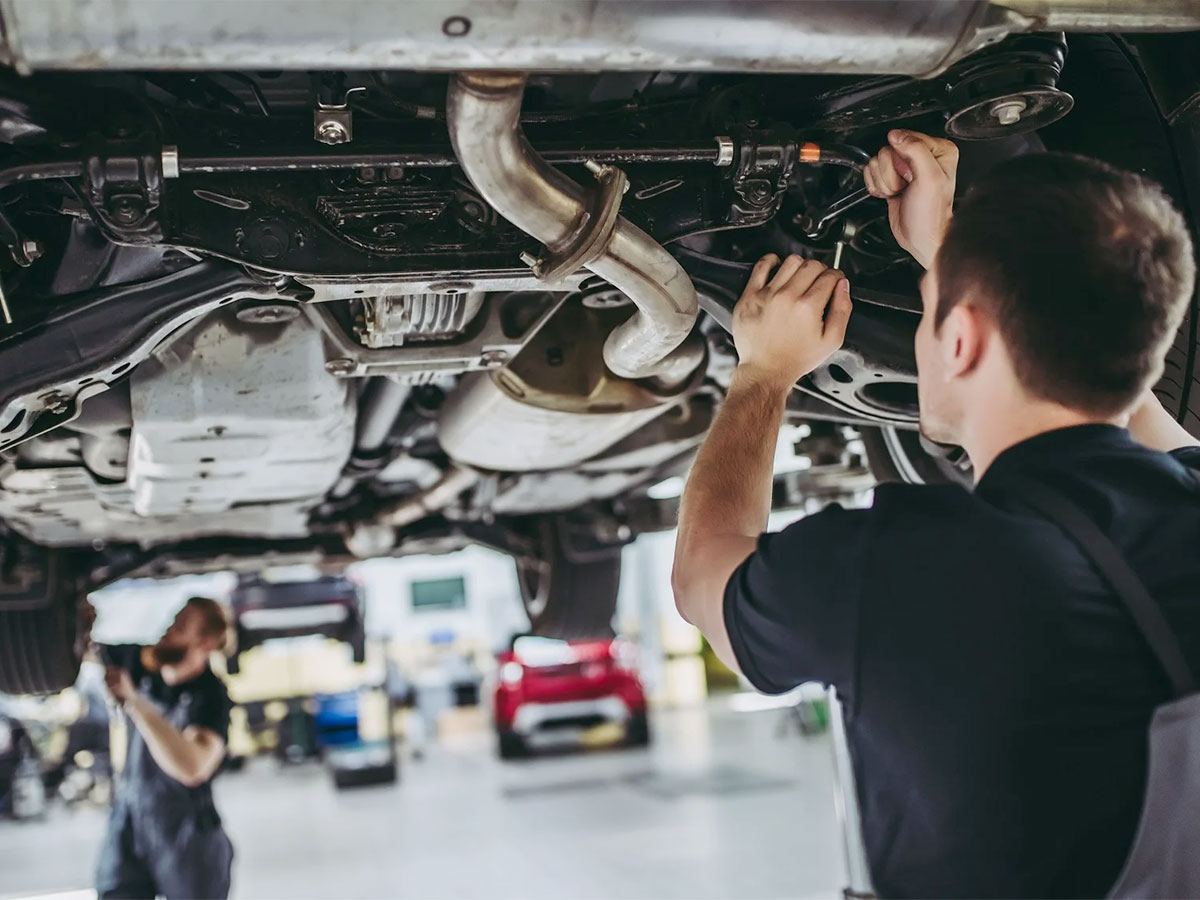
Your Virtual Mechanic provides access to automotive professionals who help consumers evaluate used cars and trucks before purchasing them.
Instead of relying exclusively on online estimates or vehicle history reports, buyers can connect with an Auto PRO through the company’s app and receive an inspection and guidance about the vehicles they are considering.
Professional Vehicle Evaluation Before Purchase
A pre-purchase vehicle evaluation helps buyers understand potential mechanical concerns before committing to a purchase.
Your Virtual Mechanic’s Auto PROs guide buyers through a vehicle evaluation, helping identify possible performance concerns, mechanical issues, and warning signs.
This additional insight can help consumers decide whether to proceed with a purchase, request further vehicle inspection, negotiate for a lower price and better terms with the seller, or walk away.
Evaluate Multiple Vehicles Before Choosing One
Finding the right used car often involves comparing several vehicles. Paying for an individual in-person mechanic visit every time you consider another vehicle can become expensive.
Your Virtual Mechanic offers different plans for different evaluation needs, including options for consumers considering multiple vehicles.
This gives buyers an opportunity to research and evaluate their shortlisted vehicles before deciding which one deserves a closer look.
Receive a Vehicle Evaluation Summary
Following an evaluation, Your Virtual Mechanic provides a Vehicle Evaluation Summary (VES) report in PDF format.
Buyers can review the findings and use the information when discussing the vehicle with a seller. The report can also help identify concerns that may require further attention before the purchase.
Make an Informed Purchase Decision
Combining market research, vehicle history information, and professional automotive guidance gives buyers a more complete decision-making process.
You can use KBB to understand estimated pricing, CARFAX or Bumper to review available vehicle records, and Your Virtual Mechanic to receive professional guidance about the vehicle’s condition.
This approach helps you look beyond the asking price and consider the potential costs and risks associated with buying a used vehicle.
What Is the Best Way to Determine a Used Car’s True Value?
There is no single online tool that can establish every aspect of a used car’s value. A practical approach combines several research methods.
Step 1: Research the estimated market price.
Use Kelley Blue Book to understand the vehicle’s estimated trade-in or private-party value. Compare the estimate with similar vehicles available in your area.
Step 2: Review the vehicle history.
Use CARFAX or Bumper to examine available accident, title, ownership, and mileage information. Investigate any inconsistencies or concerning entries.
Step 3: Verify the vehicle’s condition.
Arrange a professional pre-purchase evaluation to identify potential mechanical and performance concerns that online reports may not reveal.
Step 4: Consider future maintenance costs.
A vehicle that appears affordable initially may require expensive repairs. Consider the potential cost of addressing identified problems when evaluating the seller’s asking price.
Step 5: Negotiate based on your findings.
Use market estimates, vehicle history information, and evaluation findings to have a more informed discussion with the seller.
Taking these steps can help you avoid making a decision based solely on an attractive price or a seemingly clean vehicle history report.
Final Thoughts
KBB, CARFAX, and Bumper each provide useful information for people researching used vehicles. Kelley Blue Book helps establish estimated market prices, while CARFAX and Bumper offer tools for reviewing available vehicle history and related information.
However, understanding a car’s estimated value is only one part of the buying process. Its actual mechanical condition, maintenance requirements, and potential repair costs also matter.
Your Virtual Mechanic helps buyers go beyond online research by connecting them with automotive professionals for pre-purchase vehicle evaluations. Before committing to your next used car or truck, combine reliable research with professional guidance so you can make a more confident and informed decision.
Ready to evaluate a used car or truck before buying? Visit Your Virtual Mechanic and connect with an Auto PRO through the app.
Frequently Asked Questions