Pre-Purchase Car Checks: What to Know Before Buying a Used Vehicle
Buying a used vehicle involves more than checking its appearance, taking it for a short drive, and reviewing the asking price. A proper inspection can reveal mechanical, structural, or condition-related concerns that may not be obvious during a casual viewing. Your Virtual Mechanic provides inspection-focused automotive support to help vehicle buyers understand a car’s condition before making an informed purchasing decision.
A pre-purchase auto inspection can be particularly useful when buying from a private seller, dealership, auction, or another location where you cannot easily arrange your own mechanical assessment. Depending on the situation, an online car inspection may also provide a practical way to evaluate a vehicle remotely.
What Is a Pre-Purchase Auto Inspection?
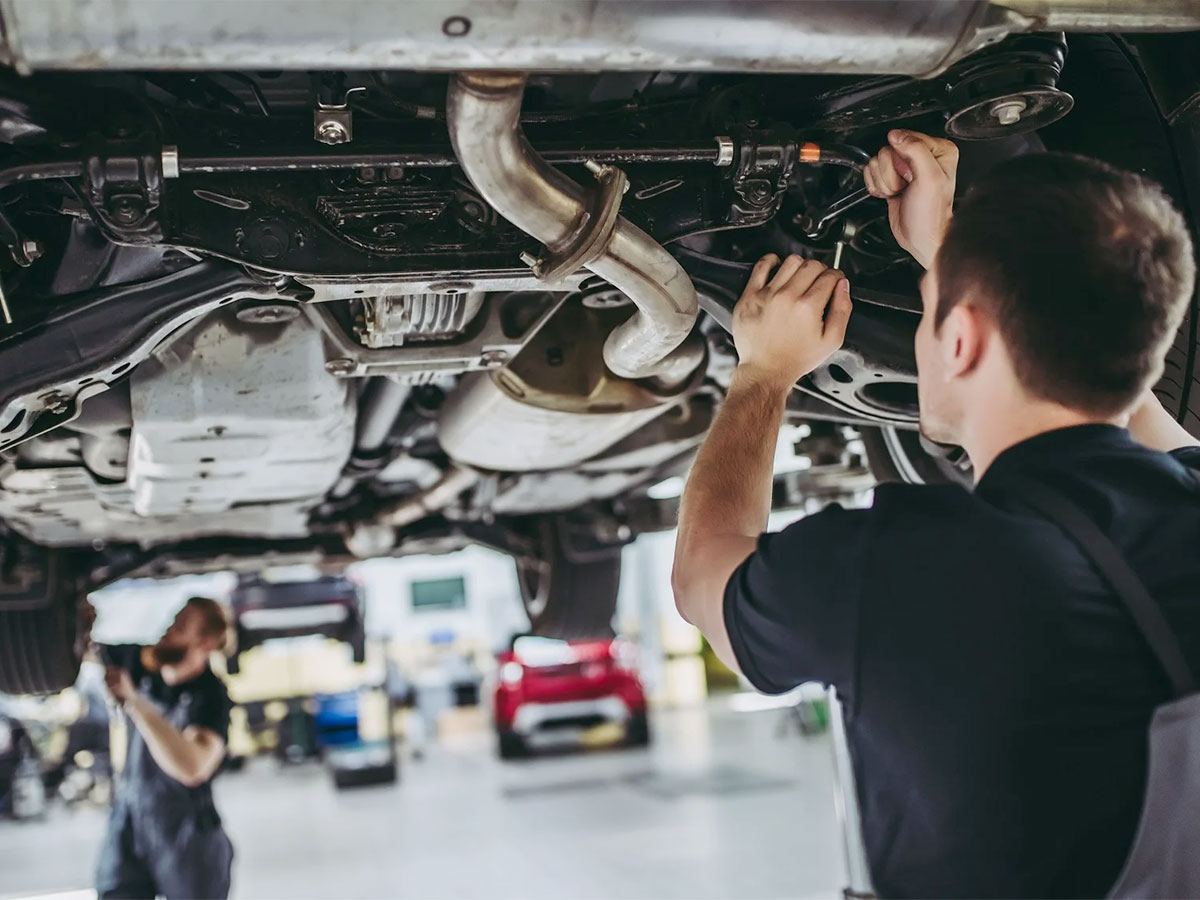
A pre-purchase auto inspection is an assessment of a vehicle’s overall condition before a buyer commits to purchasing it. The purpose is not simply to determine whether the vehicle runs. Instead, an inspection looks for signs of existing problems, previous damage, maintenance concerns, and components that may require attention.
The exact inspection process can vary depending on the vehicle, its age, mileage, inspection provider, and the type of service selected. A thorough assessment may consider mechanical components, exterior condition, interior features, tyres, brakes, fluids, warning lights, and other relevant areas.
For buyers, the inspection provides additional information that can be considered alongside the vehicle history, seller’s description, service records, and test-drive experience.
Why a Vehicle Inspection Matters Before Buying
A used vehicle can look well maintained while still having problems that are difficult to identify without a systematic assessment. Cosmetic repairs, worn components, dashboard warning lights, fluid leaks, or previous accident damage may not be immediately noticeable.
A vehicle inspection service can help identify potential concerns before the purchase is completed. This does not guarantee that every future problem will be discovered, but it can give buyers a clearer understanding of the vehicle’s current condition.
An inspection can also help buyers ask more informed questions. For example, if an inspection identifies uneven tyre wear, the buyer may want to investigate alignment, suspension, or tyre-related issues. If there are signs of previous repairs, the buyer may want to request additional documentation.
Inspection Can Support Better Buying Decisions
The value of an inspection is often in the information it provides. Buyers can use the findings to determine whether they want to continue with the purchase, request further information, obtain additional mechanical advice, or reconsider the vehicle.
It is important to remember that an inspection report is not a prediction of how long a vehicle will last. Cars contain many components that can wear or fail over time, and an inspection reflects the condition observed at the time of assessment.
What Does a Pre-Purchase Inspection Usually Check?
The scope of an inspection depends on the service and the vehicle. A comprehensive inspection may examine several areas rather than concentrating on a single mechanical component.
Exterior Condition
The exterior can provide useful clues about a vehicle’s history and current condition. An inspection may look for differences in paint, dents, scratches, panel alignment, corrosion, cracked lights, damaged glass, and other visible issues.
In some cases, inconsistencies between body panels can indicate previous repairs. However, visual observations alone cannot establish the full history of an accident or repair.
Engine and Mechanical Components
Mechanical checks can help identify visible leaks, unusual noises, fluid conditions, warning signs, or other concerns. Depending on the inspection process, the assessment may also consider the engine bay and accessible components.
A vehicle that starts and drives normally can still have developing mechanical issues. This is one reason a structured inspection can provide information that a short test drive may not.
Brakes, Tyres and Suspension
Tyres can reveal information about tread condition and wear patterns. Uneven wear may warrant further investigation, while visibly worn tyres may represent an immediate maintenance cost.
Brake components and suspension-related areas may also be assessed where accessible. Problems in these systems can affect vehicle safety, handling, comfort, and future maintenance requirements.
Interior and Dashboard
The interior inspection can include seats, controls, switches, displays, warning lights, air conditioning, windows, locks, and other features.
Dashboard warning lights deserve particular attention because they may indicate an active fault or a system requiring diagnosis. However, a warning light being absent does not mean that the vehicle is free from all mechanical problems.
What Should Buyers Review Alongside an Inspection?
An inspection should be one part of the used-car buying process rather than the only source of information. Buyers should also consider the vehicle’s documented history, maintenance records, mileage, ownership information, title or registration status where applicable, and seller-provided details.
The vehicle identification number can also be important when checking available records. Depending on the jurisdiction, buyers may be able to obtain information relating to recalls, reported accidents, title history, or other records.
A test drive is another useful step. It can provide information about starting, acceleration, braking, steering, transmission behaviour, unusual sounds, vibrations, and general driving characteristics.
No single check can provide a complete picture of a used vehicle. Combining available information gives buyers a stronger basis for making a decision.
Questions to Ask Before Booking an Inspection
Before arranging an inspection, buyers should understand exactly what the service includes. This can prevent confusion about what will and will not be assessed.
Consider asking:
- What components are included in the inspection?
- Is the inspection physical, remote, or a combination of both?
- Will the inspection include a test drive?
- Are photographs or videos included?
- Will identified issues be documented?
- Are diagnostic scans included?
- What limitations apply to the inspection?
- How will the findings be delivered?
These questions can help buyers select an inspection approach that matches their circumstances.
How Inspection Findings Can Affect a Purchase
An inspection report does not automatically mean that a vehicle should be purchased or rejected. Instead, it gives the buyer information to consider.
Some findings may be relatively minor, such as cosmetic damage or routine maintenance requirements. Other findings may justify additional investigation, specialist diagnosis, or reconsideration of the purchase.
For example, worn tyres may represent a foreseeable maintenance expense, while evidence of significant structural damage could have much greater implications. The importance of any finding depends on the vehicle, its history, severity of the issue, and the buyer’s circumstances.
If significant concerns are identified, buyers may choose to obtain a second opinion from an appropriately qualified automotive professional.
Common Mistakes Buyers Make
One common mistake is relying entirely on the seller’s description. A seller may provide honest information, but a structured inspection can still identify details that were not known or noticed.
Another mistake is focusing only on the vehicle’s appearance. A clean exterior does not necessarily indicate good mechanical condition.
Buyers may also overlook the cost of repairs and maintenance when comparing vehicle prices. A vehicle with a lower purchase price may require substantial work shortly after purchase, while a more thoroughly documented vehicle may provide a clearer picture of expected maintenance.
Finally, buyers should avoid treating an inspection as a guarantee. An inspection describes observed conditions and identified concerns. It cannot eliminate the possibility of future mechanical failure.
How Your Virtual Mechanic Can Help
Your Virtual Mechanic focuses on providing automotive guidance and inspection-related support for people evaluating vehicles. Its services can help buyers understand available information about a vehicle and identify areas that may warrant closer attention before completing a purchase.
Frequently Asked Questions