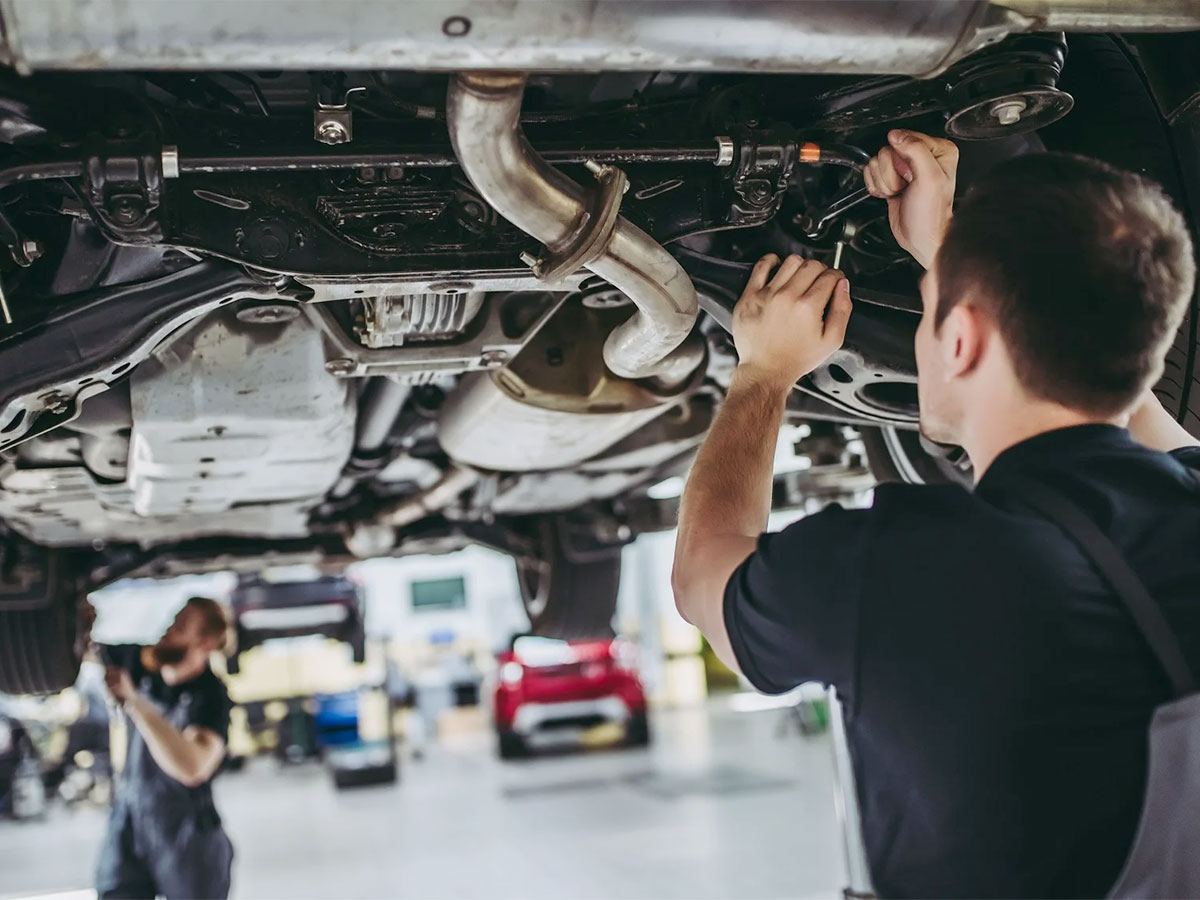
25 Things Included in a Professional Pre Purchase Auto Inspection
Buying a used vehicle requires more than checking its appearance, mileage, and asking price. Even a car that looks well-maintained may have hidden mechanical issues, previous accident damage, or components that need immediate attention. A professional pre purchase auto inspection helps buyers understand the vehicle’s condition before making a financial commitment.
Your Virtual Mechanic provides inspection support to help buyers evaluate used vehicles with greater confidence. A comprehensive assessment covers essential mechanical, electrical, structural, and safety components, offering useful insights that may not be apparent during a regular test drive. Whether purchasing from a dealership, private seller, or online marketplace, knowing what an inspection covers can help you make a more informed decision.
What Is a Pre Purchase Auto Inspection?
A pre-purchase auto inspection is a detailed evaluation of a used vehicle conducted before the buyer finalises the purchase. Unlike a basic visual check, it involves examining multiple systems and components to identify existing problems, signs of wear, and potential maintenance requirements.
Depending on the vehicle’s age, mileage, condition, and accessibility, the inspection may cover the exterior, interior, engine, transmission, brakes, suspension, tires, electrical systems, and undercarriage. Some inspections may also include a diagnostic scan and road test.
The primary purpose is to provide an independent overview of the vehicle’s current condition. Although an inspection cannot predict every future mechanical problem, it can help buyers recognise potential concerns before completing the transaction. You can explore the available vehicle inspection service to understand how professional vehicle evaluations support used-car buyers.
25 Things Included in a Professional Pre Purchase Auto Inspection
A thorough inspection examines different parts of a vehicle to identify visible defects, mechanical concerns, and possible safety issues. Here are 25 important areas commonly included in a professional assessment.
1. Exterior Body Condition
The exterior is examined for dents, scratches, rust, paint damage, and inconsistencies between body panels. Uneven paintwork, mismatched colours, or irregular panel gaps may indicate previous repairs or replacement parts.
2. Signs of Previous Accident Damage
Previous collision damage is not always obvious from a vehicle’s appearance. An inspector looks for repaired panels, unusual welds, paint inconsistencies, and other signs that may suggest earlier accident repairs. Identifying these indicators can help buyers decide whether further investigation is necessary.
3. Frame and Structural Components
The vehicle’s accessible structural components are checked for bending, corrosion, cracks, damage, or evidence of previous repairs. Structural problems can affect vehicle stability and crash protection, making this an important part of the inspection.
4. Engine Condition
The engine is assessed for visible oil leaks, damaged components, unusual noises, smoke, and other signs of mechanical problems. Where appropriate, the inspector may also evaluate starting performance and general engine operation.
5. Transmission Operation
The transmission is checked for unusual noises, delayed engagement, slipping, hesitation, and shifting irregularities. Both automatic and manual transmissions require attention because transmission repairs can be expensive and may affect overall vehicle performance.
6. Fluid Levels and Condition
Important vehicle fluids are checked for appropriate levels and visible signs of contamination. These may include engine oil, coolant, transmission fluid, brake fluid, and power steering fluid, where applicable. Low or discoloured fluids may indicate neglected maintenance or potential mechanical concerns.
7. Cooling System
The cooling system is examined to identify leaks, corrosion, damaged hoses, and other visible problems. Accessible components, including the radiator, coolant reservoir, and connecting hoses, may be checked for signs of deterioration or overheating-related issues.
8. Battery and Charging System
The battery, terminals, cables, and charging system are assessed for visible damage, corrosion, and potential performance issues. Where suitable equipment is available, testing may also help identify whether the battery and charging system are operating correctly.
9. Brake System
The braking system is evaluated for wear, damage, and other potential safety concerns. The inspection may include brake pads, rotors, calipers, brake lines, and other accessible components. Uneven wear, corrosion, and unusual noises can indicate that servicing or repairs are required.
10. Suspension Components
Suspension components such as shocks, struts, springs, control arms, and bushings are checked for wear or damage. Problems in these areas can affect ride comfort, handling, stability, and tire wear.
11. Steering System
The steering system is examined for excessive play, unusual noises, leaks, and damaged components. Proper steering response is essential for vehicle control, so any irregularities may require further mechanical evaluation.
12. Tires and Tire Wear
Tires are checked for tread depth, uneven wear, cracks, punctures, and general condition. Irregular tread patterns may indicate alignment, suspension, or inflation problems. If a spare tire is available, its condition may also be assessed.
13. Wheels and Rims
The wheels and rims are inspected for cracks, bends, corrosion, and visible damage. Damaged wheels can affect handling, tire performance, and overall driving safety. The inspection may also identify signs of previous impact damage.
14. Exhaust System
The exhaust system is examined for corrosion, leaks, loose fittings, and visible damage. Unusual exhaust noises or excessive emissions may indicate problems that require additional mechanical diagnosis.
15. Electrical Components
Modern vehicles depend on electrical systems for many essential functions. An inspection may include accessible wiring, switches, controls, connectors, and other electrical components. Malfunctioning systems or visible wiring damage may indicate the need for further investigation.
16. Dashboard Warning Lights
Dashboard warning indicators are checked to identify potential problems with vehicle systems. These may include the check-engine, ABS, airbag, traction control, and other warning lights. An indicator that remains illuminated while the engine is running may require additional diagnostic testing.
17. Diagnostic System Scan
Where appropriate diagnostic equipment is available, an electronic scan can help identify stored fault codes and potential system malfunctions. This provides additional information about the vehicle’s electronic systems, although a diagnostic scan should always be considered alongside a physical mechanical inspection.
18. Air Conditioning and Heating
The heating and air conditioning systems are tested to evaluate airflow, temperature control, and general operation. Weak cooling, inconsistent heating, unusual noises, or poor airflow may indicate problems with the climate control system.
19. Interior Condition
The vehicle’s interior is examined for damaged upholstery, worn surfaces, stains, unusual odours, and general deterioration. The condition of the seats, dashboard, carpets, and other interior components can also provide useful context when compared with the vehicle’s reported mileage.
20. Seats, Seat Belts, and Safety Equipment
Seat belts are checked for visible damage and proper operation. The inspector may also review seat adjustment mechanisms and accessible safety equipment. These components deserve particular attention because they contribute to occupant protection.
21. Windows, Mirrors, and Door Locks
Power windows, door locks, side mirrors, and related controls are tested where possible. Faulty switches, motors, or locking mechanisms may not affect basic driving performance but can create additional repair expenses after purchase.
22. Lights and Visibility Equipment
Headlights, brake lights, turn signals, reverse lights, and other exterior lighting components are checked for proper operation. The inspection may also include windshield wipers and accessible visibility equipment, as these features are important for safe driving in different weather and lighting conditions.
23. Undercarriage Condition
The underside of the vehicle is examined for rust, corrosion, fluid leaks, loose components, and visible structural damage. The undercarriage can reveal problems that may not be noticeable during a regular walk-around inspection, particularly in vehicles exposed to harsh road conditions.
24. Road Test and Driving Behaviour
When conditions permit, a road test provides additional information about the vehicle’s performance. The inspector may evaluate acceleration, braking, steering response, transmission operation, suspension behaviour, and unusual noises.
A road test complements the physical inspection by showing how different systems perform under normal driving conditions.
25. Inspection Report and Findings
The final report summarises the inspection observations in an organised format. Depending on the service, it may include photographs, identified defects, mechanical concerns, safety issues, maintenance recommendations, and components requiring further diagnosis.
Buyers can use these findings alongside the vehicle’s service history, mileage, asking price, and intended use to evaluate whether the purchase makes sense.
Why Is a Professional Inspection Important Before Buying a Used Car?
A vehicle’s appearance and the seller’s description do not always reveal its actual mechanical condition. Some problems develop gradually, while others may remain hidden until the vehicle is driven under specific conditions.
A professional vehicle inspection provides an independent assessment of the vehicle’s present condition. It can help buyers identify maintenance requirements, recognise potentially expensive repairs, and understand whether additional diagnostic work is necessary.
The findings can also support purchase negotiations. For example, if an inspection identifies worn brakes, damaged suspension components, or fluid leaks, the buyer can request repair estimates and consider these expenses before agreeing to the asking price.
Ultimately, an inspection helps buyers make decisions based on the vehicle’s condition rather than appearance alone.
How Can an Online Car Inspection Help Buyers?
An online car inspection offers a convenient way to access vehicle evaluation support when considering a used car or truck. Instead of relying entirely on personal observations or arranging a separate mechanic visit for every vehicle, buyers can use digital inspection resources to understand what to examine and identify potential warning signs.
Your Virtual Mechanic helps make vehicle inspection guidance more accessible by giving buyers a way to consult with a virtual mechanic while evaluating a vehicle. This can be particularly useful when viewing multiple cars, comparing different options, or purchasing from a seller located elsewhere.
Through its platform, buyers can connect with an Auto PRO, arrange an evaluation, and receive guidance about the vehicle they are considering. This approach can make the used-car evaluation process more convenient, especially for buyers who want expert input before making a purchasing decision.
You can also review the available inspection pricing plans to understand the service options before getting started.
What a Pre Purchase Auto Inspection Cannot Tell You
Even a comprehensive inspection has certain limitations. It reflects the vehicle’s condition at the time of assessment and cannot guarantee that mechanical problems will not develop later.
Some intermittent faults may not appear during the inspection. Internal engine or transmission problems may also require specialised testing or partial disassembly to identify accurately. Similarly, a physical inspection cannot necessarily establish the complete accident, ownership, or maintenance history of a vehicle.
Buyers should therefore review available service records, vehicle history reports, title information, recall details, and other relevant documents separately. Combining these checks with a professional inspection provides a more complete picture of the vehicle.
Questions to Ask Before Booking a Vehicle Inspection
Before arranging an inspection, it is useful to understand exactly what the service includes. Ask whether the assessment covers major mechanical components, the undercarriage, electrical systems, brakes, suspension, and safety equipment.
You should also confirm whether the service includes a road test, diagnostic scan, photographs, and a written inspection report. Understanding these details beforehand helps ensure that the inspection meets your expectations and provides the information needed to evaluate the vehicle.
For additional information about how the platform works, available services, and common inspection-related queries, visit the Your Virtual Mechanic FAQs.
Final Thoughts
Buying a used vehicle is a significant financial decision, and understanding its condition before purchase can help prevent unexpected repair expenses. A professional pre purchase auto inspection provides a structured evaluation of important mechanical, electrical, structural, and safety components.
From the engine and transmission to brakes, tires, suspension, electronics, and undercarriage, each inspection area contributes to a better understanding of the vehicle’s overall condition. By reviewing the inspection findings alongside maintenance records and vehicle history information, buyers can make more informed decisions and approach the purchase with greater confidence.
With Your Virtual Mechanic, buyers can access expert vehicle evaluation guidance and make more informed decisions before purchasing their next car or truck.
Frequently Asked Questions